Loading...
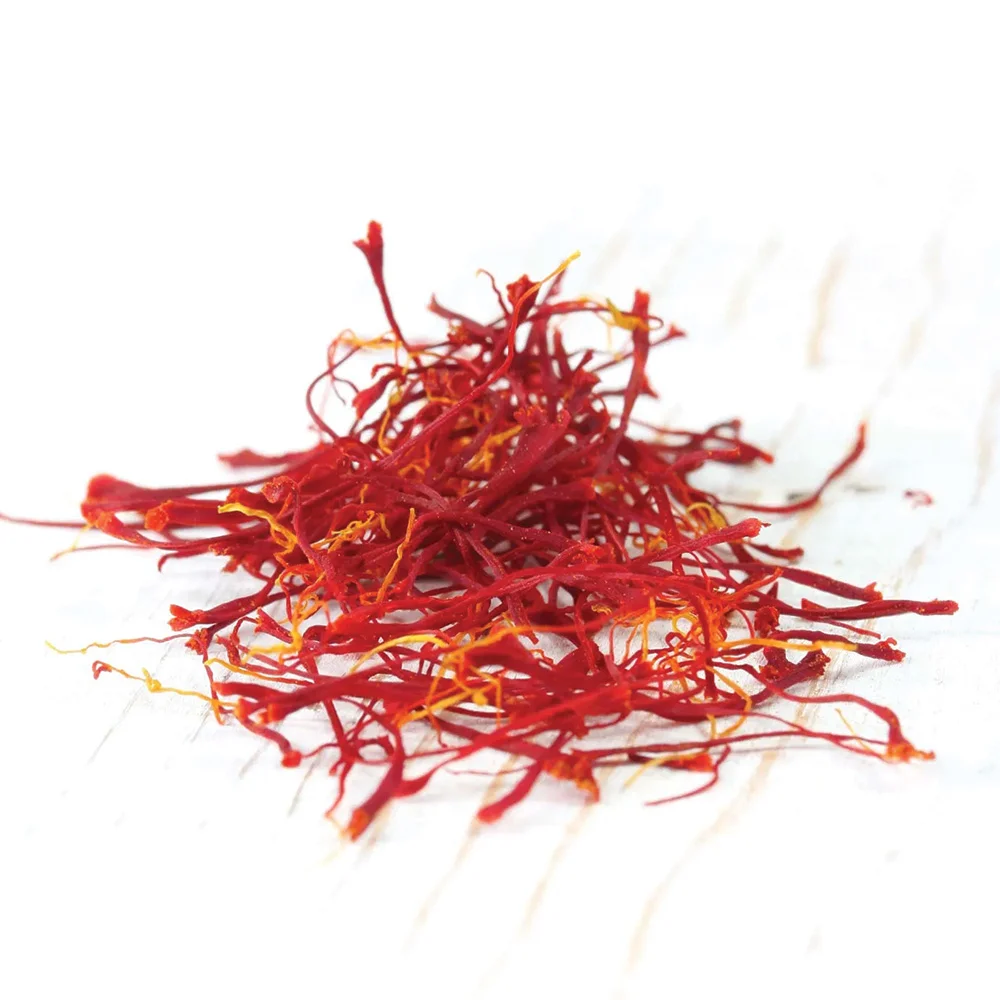
Saffron is one of the rarest and most expensive spices in the world. Often referred to as "red gold," it is prized for its vibrant color, distinctive aroma, and rich flavor. Saffron is obtained from the delicate red stigmas of the Crocus sativus flower, commonly known as the saffron crocus. Each flower produces only three stigmas, and these must be carefully picked by hand, making saffron a highly labor-intensive crop. The cultivation of saffron dates back more than 3,000 years and has been an important part of many cultures. Today, it is grown in several countries, including Iran, India, Spain, Greece, Morocco, and Afghanistan. The spice thrives in regions with warm, dry summers and cool winters, where well-drained soil provides ideal growing conditions.
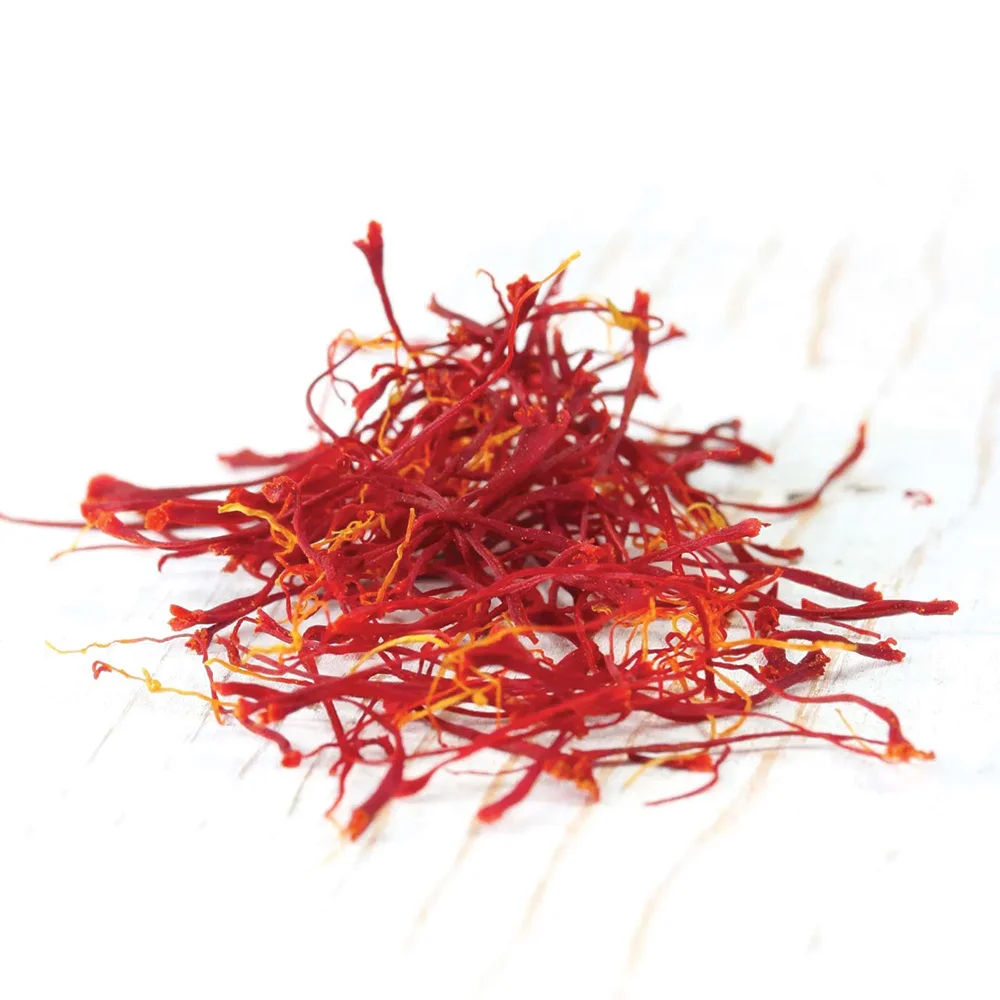
Ayurvedic ingredients for making natural beauty care products Harvesting saffron is a delicate process that requires great care and precision. The flowers bloom for only a short period during autumn, and farmers usually collect them early in the morning before they fully open. The red stigmas are then separated by hand and gently dried to preserve their color, aroma, and quality. It can take tens of thousands of flowers to produce just one pound of saffron, which explains its premium price. Saffron is widely used in cooking around the world. It adds a beautiful golden-yellow color, a subtle earthy flavor, and a unique floral aroma to many dishes. It is a key ingredient in famous recipes such as biryani, paella, risotto, Persian rice dishes, seafood preparations, desserts, sweets, and herbal teas. Because saffron is highly concentrated, only a small amount is needed to enhance the taste and appearance of food.
.webp)