Loading...

Sandalwood is one of the world's most valuable and fragrant woods, admired for its rich aroma, medicinal properties, and cultural significance. For centuries, it has been used in religious ceremonies, traditional medicine, perfumery, cosmetics, and fine craftsmanship. Its calming fragrance and long-lasting scent have made sandalwood a symbol of purity, spirituality, and luxury in many cultures around the world. Sandalwood comes from trees belonging to the Santalum genus. The heartwood, which develops as the tree matures, contains aromatic oils that give sandalwood its distinctive fragrance. Unlike many other trees, sandalwood is a semi-parasitic plant, meaning its roots attach to the roots of nearby plants to obtain additional nutrients while still producing its own food through photosynthesis.
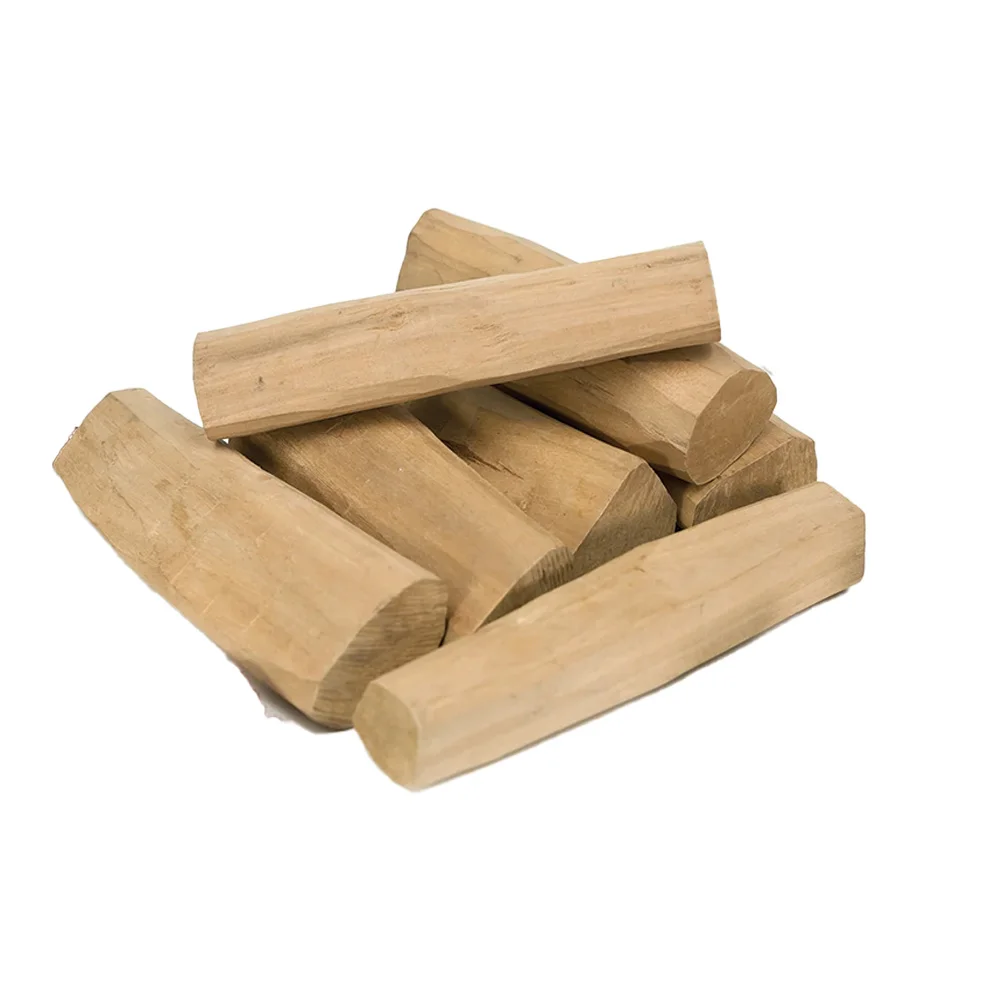
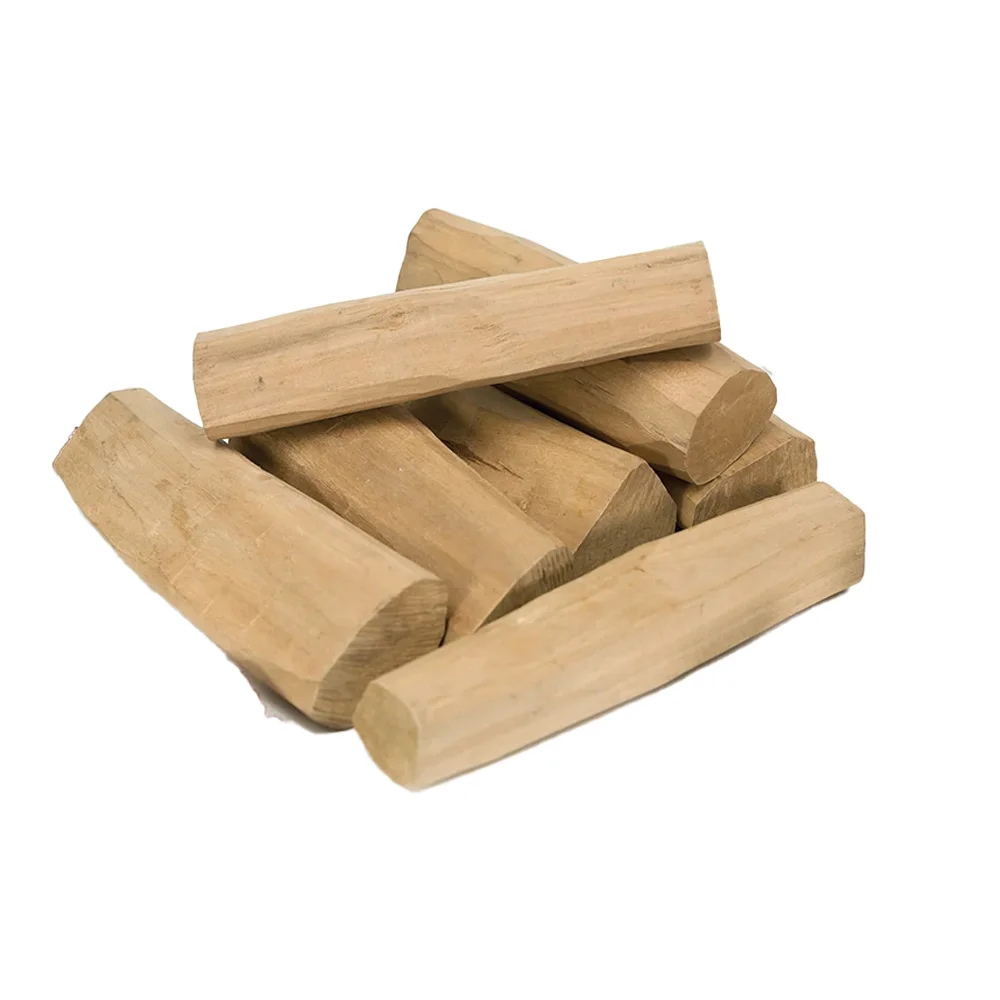
One of the most well-known uses of sandalwood is in the perfume industry. Sandalwood essential oil has a warm, woody, creamy fragrance that blends beautifully with floral, citrus, and spicy scents. Because its aroma lasts for a long time, it is commonly used as a base note in luxury perfumes, colognes, and scented products. Sandalwood also plays an important role in skincare and personal care products. It is found in soaps, lotions, creams, facial masks, and essential oil blends. Its soothing properties make it a popular ingredient in products designed to cleanse, moisturize, and refresh the skin. Many people also enjoy sandalwood in aromatherapy, where its calming scent is believed to promote relaxation and create a peaceful atmosphere.
.webp)