Loading...

Sesame is one of the oldest cultivated oilseed crops in the world, valued for its rich nutritional profile, pleasant nutty flavor, and wide range of culinary and medicinal uses. Despite their small size, sesame seeds are packed with essential nutrients, healthy fats, vitamins, minerals, and antioxidants that make them an important part of a balanced diet. They have been cultivated for thousands of years and continue to be used in cuisines and traditional practices across many cultures. Sesame seeds come from the Sesamum indicum plant, a flowering annual crop that thrives in warm climates. The plant produces long seed pods that split open when mature, revealing numerous tiny seeds. Depending on the variety, sesame seeds can be white, black, brown, golden, or reddish. Each type has a slightly different flavor and is used in various recipes around the world.
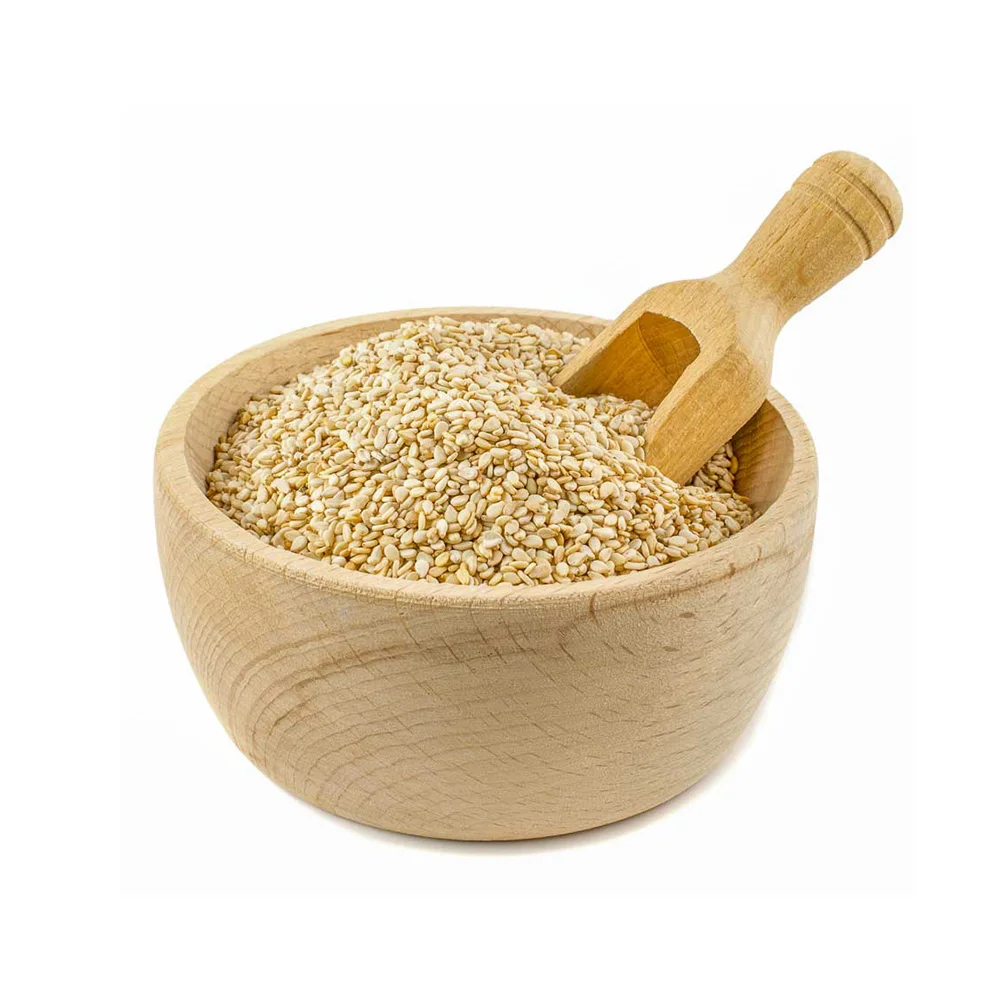
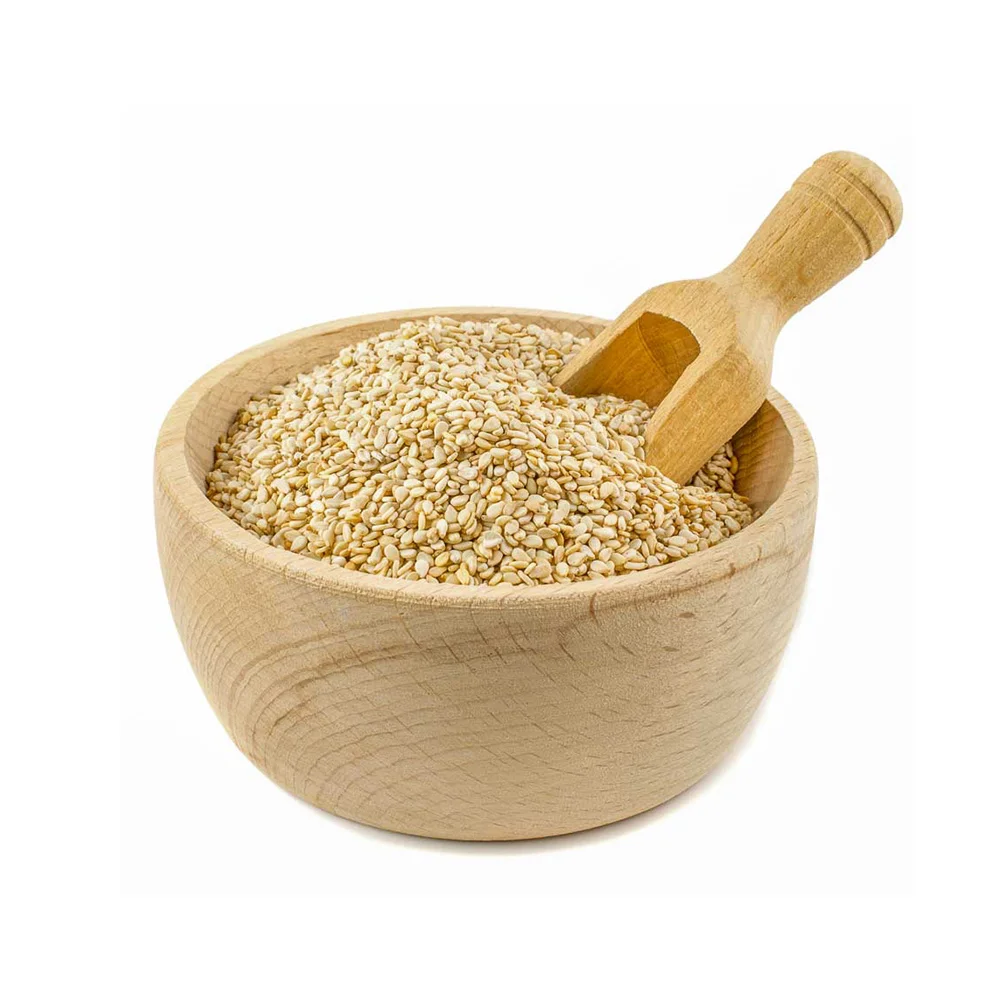
Sesame seeds are highly nutritious and provide a good source of healthy unsaturated fats, plant-based protein, dietary fiber, calcium, magnesium, phosphorus, iron, zinc, copper, and B vitamins. They also contain powerful antioxidants such as sesamin, sesamolin, and vitamin E, which help protect the body's cells from oxidative stress. Including sesame seeds in a healthy diet may support heart health, strong bones, healthy digestion, and overall well-being. One of the most valuable products made from sesame is sesame oil. Known for its rich aroma and distinctive taste, sesame oil is widely used in Asian, Middle Eastern, and African cuisines. Light sesame oil is commonly used for cooking, while toasted sesame oil is added to salads, stir-fries, noodles, soups, and marinades for its intense flavor. The oil is also valued for its stability and natural antioxidant content.
.webp)