
Loading...

Sukti, commonly known as the oyster, is a marine shellfish that belongs to the family Ostreidae. Oysters are among the most fascinating creatures found in oceans and coastal waters. They are well known for producing natural pearls, serving as a nutritious seafood, and playing an important role in maintaining healthy marine ecosystems. For centuries, oysters have been valued for their culinary, economic, and ecological significance. Oysters live in saltwater and brackish water environments such as estuaries, bays, lagoons, and coastal regions. They usually attach themselves to rocks, reefs, mangrove roots, or other hard surfaces using a strong natural adhesive. Unlike many marine animals, oysters remain fixed in one place throughout most of their adult lives, filtering water to obtain food and oxygen.
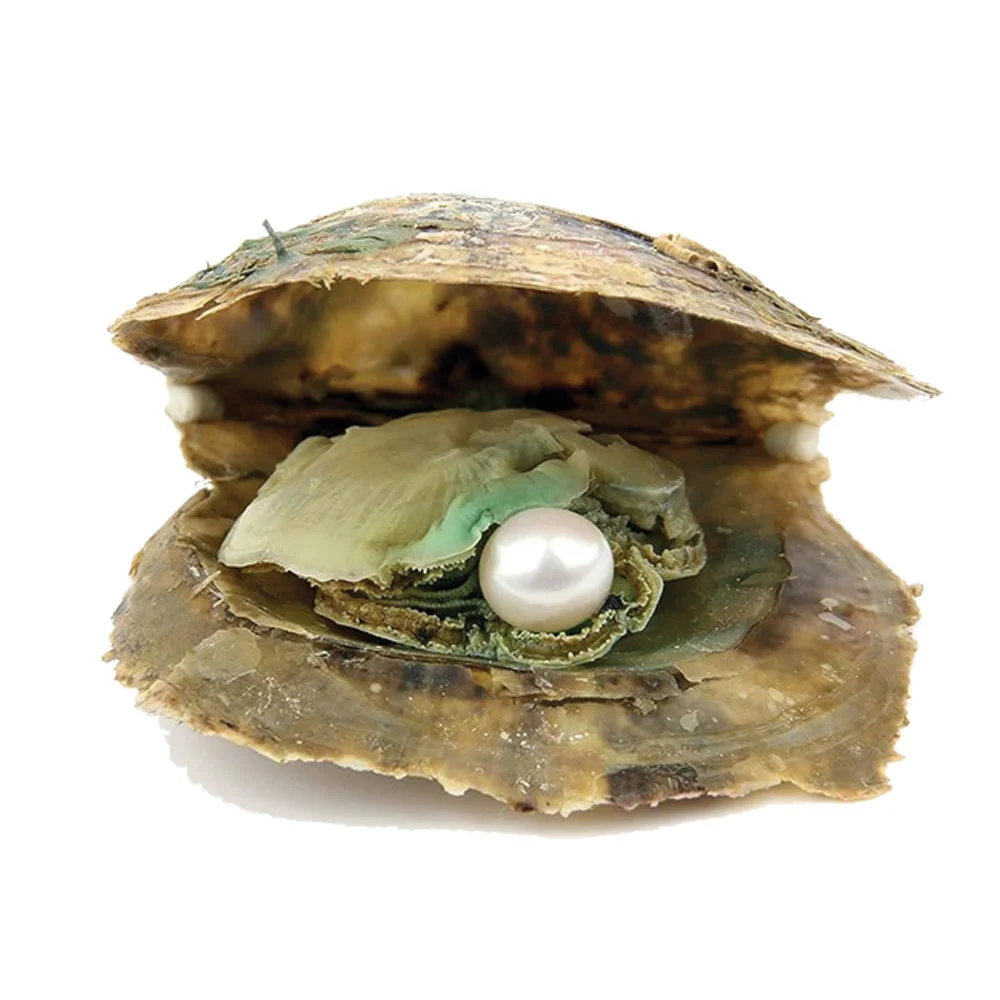
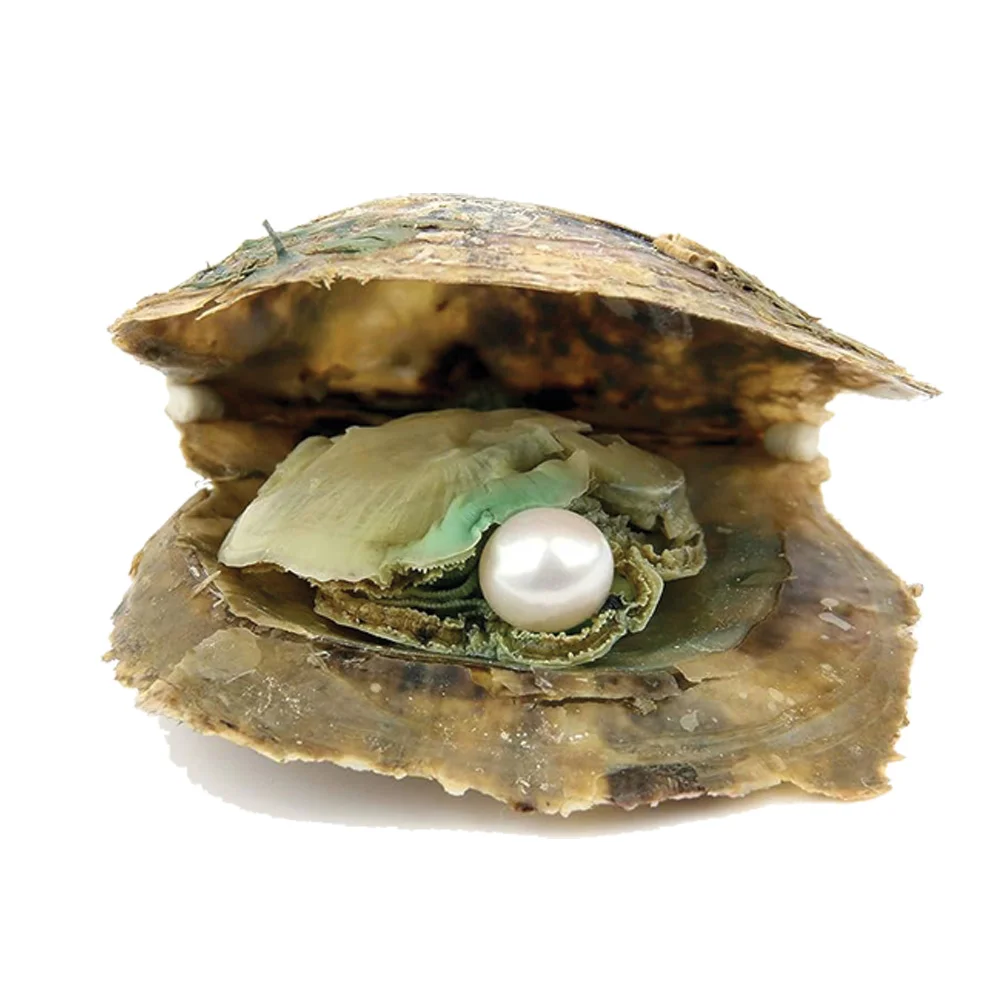
One of the most remarkable features of oysters is their hard, irregular shell, which protects their soft body from predators and harsh environmental conditions. The shell is made primarily of calcium carbonate and consists of two hinged halves that open and close with the help of a powerful muscle. The outer shell is rough and durable, while the inner surface is smooth and often displays a beautiful pearly shine known as nacre. Oysters are famous for their ability to produce pearls. A pearl forms when a tiny foreign particle, such as a grain of sand or a small parasite, enters the oyster's shell. To protect itself, the oyster secretes layers of nacre around the irritant. Over time, these layers build up to create a smooth, lustrous pearl. While natural pearls are rare, cultured pearls are produced through carefully managed pearl farming, where a small nucleus is intentionally placed inside the oyster.
.webp)