Loading...

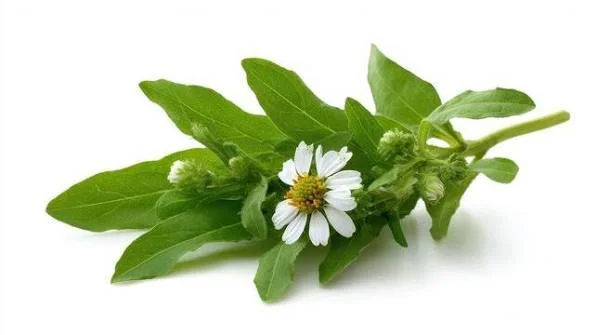
Yastimadhu, also known as Licorice or Mulethi, is a valuable medicinal herb that has been used for thousands of years in traditional systems of medicine. Known for its naturally sweet taste, soothing properties, and wide range of applications, Yastimadhu holds an important place in Ayurveda, herbal medicine, food, and cosmetic industries. The name "Yastimadhu" comes from Sanskrit, where "Yashti" means a stick or stem and "Madhu" means sweet, referring to its sweet-tasting root. Yastimadhu is obtained from the root of the plant Glycyrrhiza glabra, a perennial herb belonging to the pea family. The plant grows in regions with dry climates and is cultivated in several parts of the world, including India, China, Europe, and the Middle East. The root is the most valuable part of the plant and contains natural compounds responsible for its characteristic sweetness and therapeutic properties.
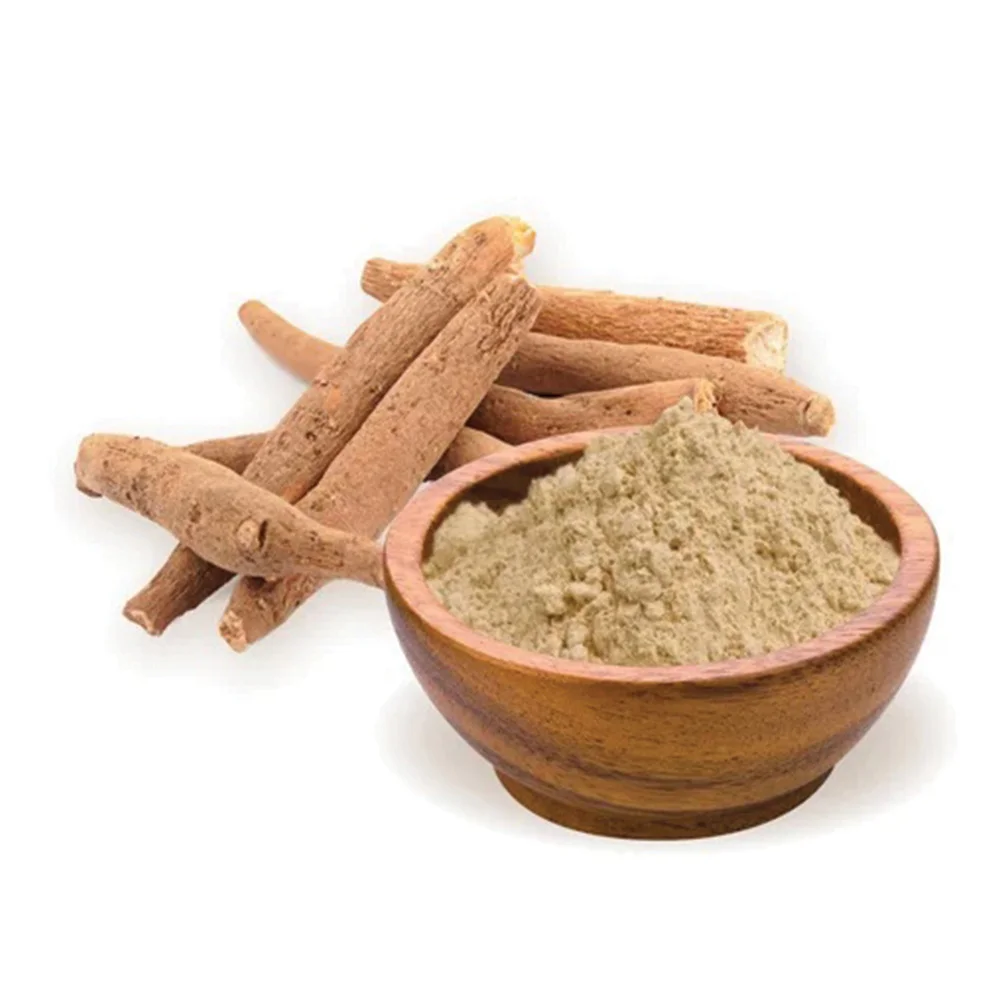
The most important active compound in Yastimadhu is glycyrrhizin, which gives the root its intense sweet flavor. It also contains flavonoids, antioxidants, and other natural compounds that contribute to its traditional uses. Because of these components, licorice has been widely studied and incorporated into herbal preparations, beverages, supplements, and personal care products. In Ayurveda, Yastimadhu is considered a highly beneficial herb and is traditionally used to support throat comfort, digestion, and overall wellness. It is commonly included in herbal formulations designed to soothe the throat and maintain a healthy respiratory system. Its naturally sweet and cooling qualities have made it a popular ingredient in many traditional remedies.
.webp)